"The coming together of the UN, AU, SADC, and ICGLR to conceptualize and operationalize the FIB demonstrates that hybridization in peacekeeping can work, especially if each intergovernmental organization is allowed to bring…
Latest posts - Page 51
Essays
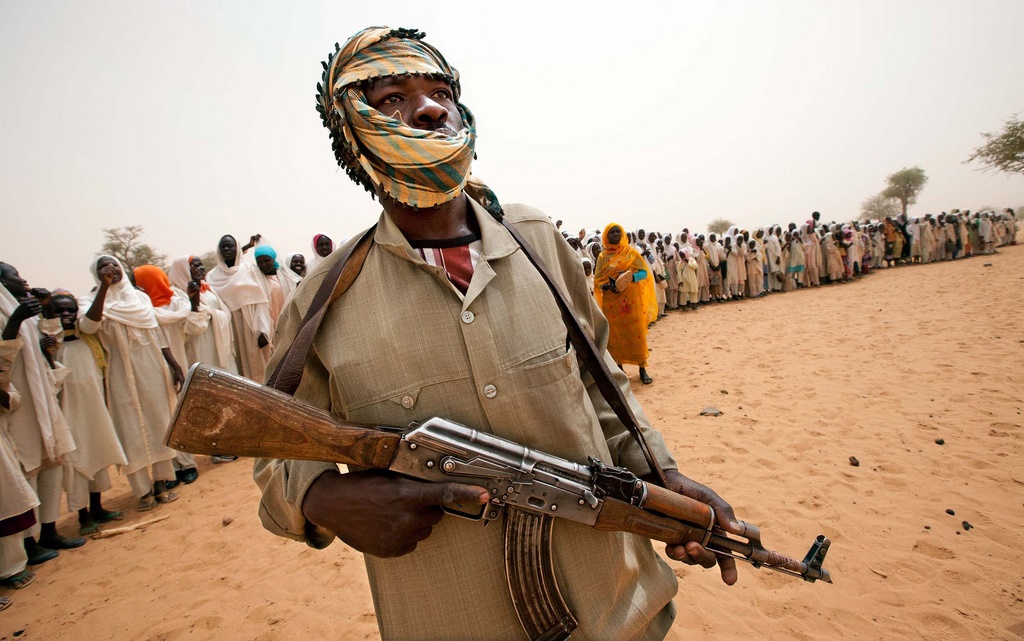
A Soft Power Approach to Eradicating Extremism in Africa
by Dan Kuwali
“Leaders, clerics, and scholars at all levels should devise effective strategies to tackle the root causes of extremism and terrorism. The idea is to cultivate a culture of peace, tolerance, and acceptance of unity in diversity, based on diverse African values.”
Essays
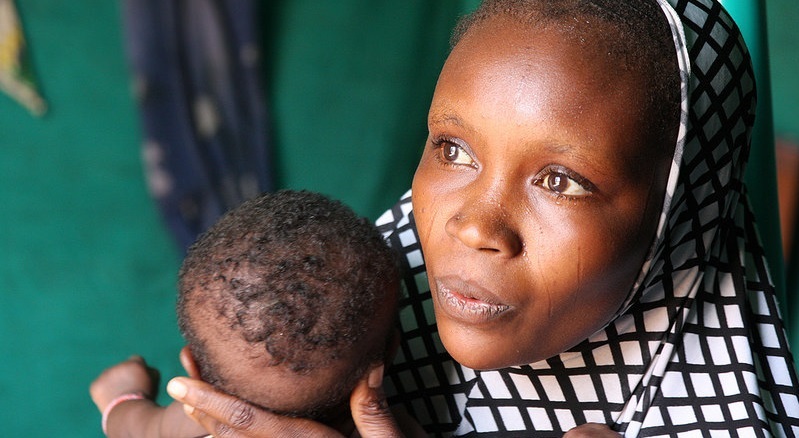
Engaging Gender, Peace, and Security through the Lens of Terrorism: The Case of Boko Haram
by Cheryl Hendricks and Rachel Sittoni
"Evolving security concerns have globally and continentally provided an entry point to discussing gender, peace, and security, mainly by focusing on SGBV in conflict situations. If we look at these issues through the lens of terrorism, what new insights emerge?"
Essays

Women’s Involvement in Peacebuilding and Conflict Resolution among the Igbo of Southeastern Nigeria
Elections & Governance
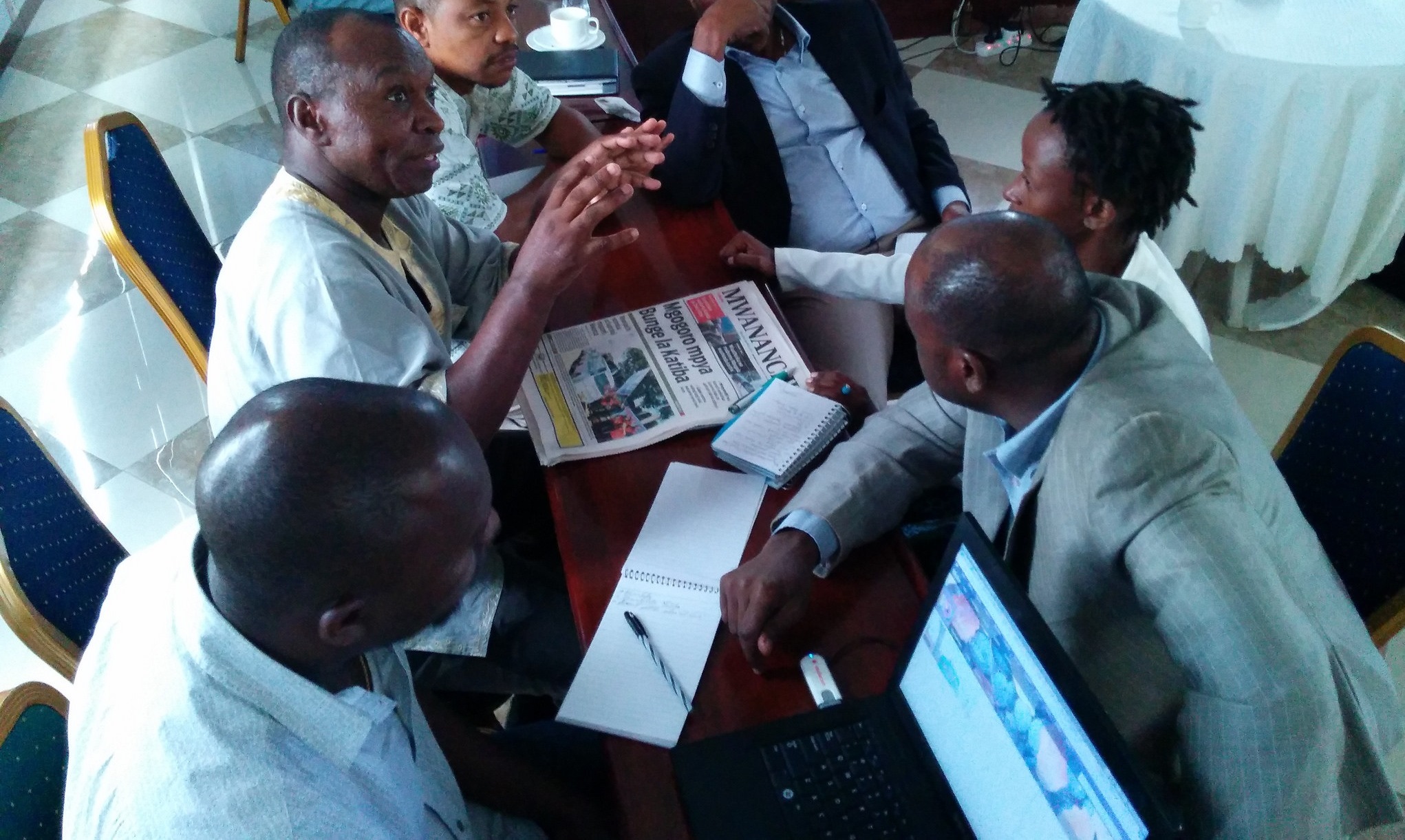
Press Freedoms and the Need to Repeal Draconian Media Legislation in Tanzania
by Dr. Nicodemus Minde
"Press freedom is an important element of the democratization process. The freedom to report critically and question decisions promotes transparency and accountability and helps build robust, open, and democratic institutions .... Increased media freedoms and citizens’ access to information are essential to attaining these goals and consolidating democratic governance and political stability."
Research and Practice
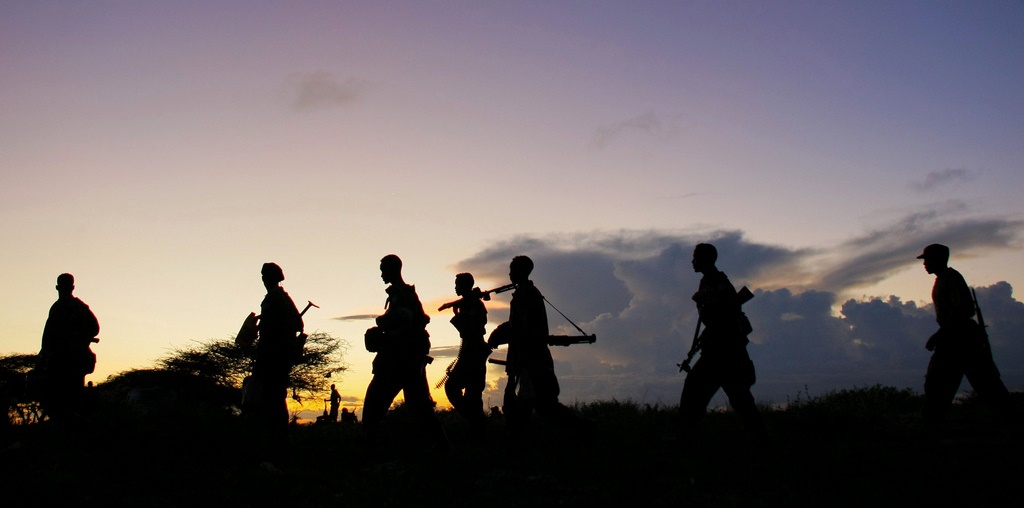
Journeys of Peace: Ex-combatants from Azania People’s Liberation Army in South Africa
by Godfrey Maringira
"This essay summarizes the conclusions drawn from a study funded by the African Peacebuilding Network of the Social Science Research Council. It seeks to explore the ways in which ex-combatants make the transition from the use of violence to peace. These conclusions challenge the view that ex-combatants have continued to be violent in post-apartheid South Africa, and they establish that, even though ex-combatants have held onto their military skills, they are peaceful citizens."
On the Spot

Nigeria’s 2015 General Elections
by African Peacebuilding Network
Coordinated with the help of Dr. Nkwachukwu Orji, this special section highlights the most significant issue(s) in Nigeria’s 2015 general elections, to be held March 28, 2015, after a six-week postponement. As Africa’s largest democracy prepares for the polls, several questions must be answered: What do these elections portend for the country in the face of domestic demands for solutions to problems of unemployment, inequality, the marginalization of minorities, and growing insecurity, and Nigeria’s role within West Africa and the rest of the continent? What implications will the elections likely have for national stability and development in Africa’s largest economy? And what do the elections portend for the country’s relations with its neighbors, the West, and emerging powers?
Viewpoint

Reflections from Wilton Park Conference on “Peacebuilding in Africa”
by African Peacebuilding Network
Following the Wilton Park conference on “Peacebuilding in Africa: Evolving Challenges, Responses, and New Thinking,” African Peacebuilding Network staff had a chance to sit down with professor Michael Pugh and discuss his thoughts on the conference, where he thinks the continent is headed in terms of its peacebuilding agenda, and what room there can be for future collaboration between scholars and practitioners in the field of African peacebuilding.